Natural Ways to Improve Your Gut Health And Boost Your Immunity
Maintaining a healthy gut is absolutely essential for your overall health and wellbeing. Your gut, which includes the stomach, small intestine and colon, plays a crucial role in digestion, nutrient absorption and waste elimination. It is also home to trillions of bacteria, fungi, and other microorganisms that significantly impact your immune system, metabolism, and brain function!
What you eat can completely transform your life and health. Eating a diet packed with fibre, whole foods, and fermented foods can help encourage the growth of beneficial gut bacteria and decrease inflammation in the gut. Here are some natural ways to keep your gut in top shape:
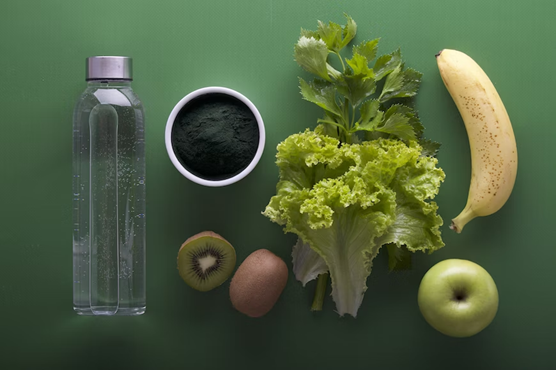
- Eat a good variety of plants: Fruits, vegetables, whole grains, legumes, nuts, and seeds are all great sources of fibre that feed your gut bacteria and help to keep your bowel movements regular.
- Include fermented foods: Fermented foods such as kimchi, sauerkraut, kefir, and yoghurt are excellent sources of beneficial bacteria that can help improve gut health. They also contain enzymes that aid digestion and reduce gut inflammation.
- Say no to processed foods: Processed foods are generally low in fibre and high in sugar and unhealthy fats, which can throw off the balance of gut bacteria and can lead to inflammation.
- Manage stress: Stress can immensely impact gut health, disrupting the balance of gut bacteria and leading to inflammation. Take a few minutes daily to practice relaxation techniques such as meditation, deep breathing and yoga to reduce stress and improve your gut health.
- Drink plenty of water: Staying hydrated is essential for good gut health. Drinking lots of water keeps your digestive system running smoothly and helps prevent constipation.
In a nutshell, looking after your gut health is essential for your overall health and happiness. All these steps will not only help you to improve your gut health but will also lead to better digestion, stronger immunity and improved mood. If you need more tailored advice, don’t hesitate to speak to a healthcare professional or registered dietitian.